Is Weed Legal in Australia? The 2026 Guide
By the Krush Editorial Team. Reviewed by Krush Healthcare Professionals. Last updated July 2026.
The legal status of cannabis in Australia is one of the most-searched questions in the country’s wellness space, and the answer is more nuanced than most quick guides suggest. Recreational cannabis remains prohibited across most of the country. Medicinal cannabis, however, has been legal at the federal level since 2016, and hemp-derived CBD products with less than 0.3 percent THC operate under a separate legal framework that does not require a prescription. The specifics matter, and this guide walks through each of them.
What “weed” actually refers to in Australian law
The word “weed” in everyday conversation covers three distinct legal categories, and Australian law treats each one differently.
Recreational cannabis, the traditional flower or edible product consumed for intoxication, contains high levels of tetrahydrocannabinol (THC) and is classified as a prohibited substance under the Poisons Standard. Possession, use, and supply for recreational purposes remain illegal in every Australian state and territory, though penalty severity varies.
Medicinal cannabis, prescribed by an authorised doctor and dispensed through a pharmacy, contains varying levels of THC or cannabidiol depending on the specific product. This category has been legal at the federal level since November 2016, and legally accessible to patients through the Special Access Scheme or Authorised Prescriber Scheme.
Hemp-derived cannabidiol products sit in a third category, defined by their THC content sitting below 0.3 percent. These products are made from industrial hemp rather than high-THC cannabis and are legal to import and sell under existing hemp-product frameworks without a prescription requirement.
Confusion between the three categories is where most “is weed legal” searches originate, and the practical difference to a buyer is significant.
Recreational cannabis: illegal in most of the country, decriminalised in one
Recreational cannabis use is illegal across every Australian state and territory except one. The Australian Capital Territory (ACT) legalised personal use in September 2019, permitting adults to possess up to 50 grams of dried cannabis, grow up to two plants per person (four per household), and consume in private. Federal law still classifies recreational cannabis as prohibited, so the ACT position sits in a legal grey area, but ACT police have not enforced federal law against ACT residents using cannabis within the territorial limits.
Elsewhere across the country, recreational cannabis attracts different penalty regimes. South Australia and the Northern Territory have decriminalised small quantities, meaning first offences result in a fine rather than a criminal charge. New South Wales, Victoria, Queensland, Western Australia, and Tasmania maintain criminal penalties for possession and use, though enforcement varies by state and by circumstance.
Public sentiment is shifting. Polling by Australia21 in 2022 showed 41 percent of Australians support legalising recreational cannabis, up from 26 percent a decade earlier. Whether that translates into national-level legal change remains an open question through the current parliamentary term.
Medicinal cannabis: legal federally since 2016
The federal Narcotic Drugs Amendment Act 2016 legalised the cultivation of cannabis for medicinal and scientific purposes, and every state and territory has since aligned its own laws with the federal framework. Medicinal cannabis is legal Australia-wide when prescribed by an authorised doctor and dispensed through a registered pharmacy.
The prescription pathway works through two schemes. The Special Access Scheme (SAS) allows a doctor to apply to the Therapeutic Goods Administration for a specific patient. The Authorised Prescriber Scheme allows a doctor pre-approval to prescribe a nominated product to eligible patients without individual applications. Most medicinal cannabis prescribed in Australia today comes through the Authorised Prescriber pathway, which speeds patient access significantly.
Products range from CBD-dominant oils and capsules through balanced formulations to THC-dominant products, depending on the treating condition and the doctor’s assessment. Most conditions treated with medicinal cannabis in Australia include chronic pain, chemotherapy-induced nausea, epilepsy, and anxiety disorders, though the treating doctor determines suitability on a case-by-case basis.
Cost varies. Medicinal cannabis is generally not covered by the Pharmaceutical Benefits Scheme, though some private health funds cover part of the cost. Out-of-pocket expenses typically range from $200 to $500 per month depending on the product and dose.
Hemp-derived CBD: legal without a prescription
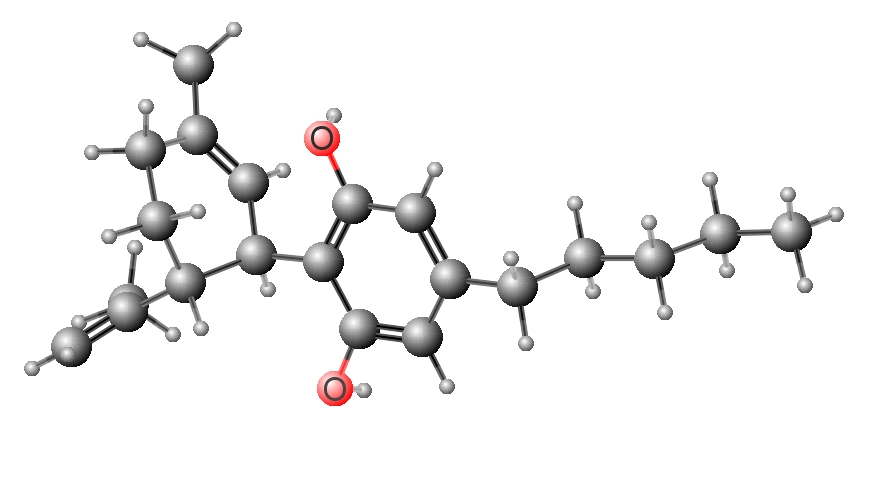
Hemp-derived cannabidiol products form a third legal category and are the most accessible option for Australian consumers today. These products are made from industrial hemp with THC content below 0.3 percent, which is the international standard for hemp classification.
Hemp itself has been legal to cultivate in Australia since the 1990s, initially for fibre and seed use. Hemp seed products were approved as food ingredients in November 2017 by Food Standards Australia New Zealand, and hemp seed oil, hemp protein, and shelled hemp seed have been available on Australian supermarket and pharmacy shelves since then. Hemp seed products contain no cannabidiol and are unrelated to the CBD wellness category.
Hemp-derived CBD products, extracted from the flower and leaf of the plant rather than the seed, operate under the same hemp framework provided the finished product stays below the 0.3 percent THC threshold. These products are imported and sold direct to consumers without a prescription requirement, and they do not fall under the medicinal cannabis regime. Established brands like Krush Organics operate in this category.
The distinction between medical CBD (prescription required) and hemp-derived CBD (no prescription required) sits at the centre of the confusion around Australian cannabis law. Both are legal. Both contain cannabidiol. They operate under separate regulatory pathways with different access requirements and different cost profiles.
What TGA scheduling means for CBD
The Therapeutic Goods Administration classifies substances into schedules that determine how they can be sold. The relevant schedules for cannabidiol are Schedule 4 (prescription-only medicine) and Schedule 3 (pharmacist-only medicine).
CBD was placed in Schedule 4 in 2015 when medicinal cannabis was first legalised, which made medical CBD prescription-only across every Australian pharmacy. In February 2021, the TGA moved to open up over-the-counter access by rescheduling low-dose CBD (150 milligrams or less per day) to Schedule 3. This created a pharmacist-only pathway for lower-dose products.
The catch is that any product sold under the Schedule 3 pathway must be evaluated and registered on the Australian Register of Therapeutic Goods first, which requires a full pharmaceutical dossier. As of July 2026, no product has completed that registration. The pathway exists on paper but no product currently sits on Australian pharmacy shelves under it.
That reality shapes the current market. Medical CBD in Australia remains prescription-only in practice, while hemp-derived CBD sold online continues to operate under the hemp-product framework rather than the medicinal cannabis regime.
Cannabis-related products and their legal status at a glance
The full landscape of cannabis-related products in Australia and their legal position sits across a few clear categories.
| Product category | Legal status in Australia (2026) | Prescription required | THC content | Where to access |
|---|---|---|---|---|
| Hemp seed oil, hemp protein, hemp seeds | Legal nationwide | No | None detectable | Supermarkets, pharmacies, health stores |
| Hemp-derived CBD (oil, gummies, cream) | Legal for personal use | No | Below 0.3 percent | Online direct-to-consumer brands |
| Medical CBD (prescription) | Legal with script | Yes | Varies by formulation | TGA-approved suppliers via authorised prescribers |
| Medical cannabis flower (prescription) | Legal with script | Yes | Full-spectrum, varies by strain | TGA-approved suppliers via authorised prescribers |
| Recreational cannabis (flower, edibles, concentrates) | Illegal in all states, decriminalised ACT (personal use only) | N/A | Any | Not legally available |
| Cannabis seeds for germination | Illegal to sell for cultivation | N/A | N/A | Not legally sold for growing use |
| CBD vape products | Grey area — direct consumer sale restricted | Yes for compliant products | Below 0.3 percent for hemp-derived | Pharmacy via script or verified hemp-framework brands |
CBD isolate and full spectrum products at less than 0.3 percent THC, imported and sold under hemp frameworks, are legal without a prescription. This includes gummies, oil tinctures, topical creams, and pet formulations.
Medical CBD at any concentration, prescribed by an authorised doctor and dispensed through pharmacy, is legal with a valid prescription. This includes higher-strength CBD and CBD combined with THC.
Hemp seed products including hemp seed oil, hemp protein, and shelled hemp seeds are legal without any prescription and are widely available on supermarket and pharmacy shelves. These are food-grade products containing no cannabidiol.
Recreational cannabis flower, edibles, and concentrates remain illegal for possession, use, and supply in every state except the ACT, where personal use has been decriminalised at the territorial level.
Cannabis seeds for germination remain illegal to sell or purchase in every state, though certain retailers sell them as souvenirs or bird food with disclaimers.
CBD vape products fall into a grey area. Nicotine vaping requires a prescription in Australia, and vape products containing cannabinoids sit under similar restrictions. Products marketed as CBD vape juice for direct sale to Australian consumers should be treated with caution and verified through TGA pathways.
What Australians typically ask next
The three most-asked follow-up questions in Australian cannabis search reveal the practical concerns behind the legal question.
Can I drive if I use CBD? THC shows up on roadside drug tests, and any product with trace THC (including hemp-derived full spectrum products under 0.3 percent) carries a theoretical risk. Broad spectrum (zero THC) and isolate products carry no THC risk. The safest approach for anyone facing regular roadside testing is to choose broad spectrum or isolate, or to allow appropriate time between use and driving.
Will CBD interact with my prescription medication? Yes, potentially. CBD is metabolised through the same liver enzyme system (cytochrome P450) that processes many common medications. If you are on prescription medication, particularly blood thinners, seizure medication, or immunosuppressants, discuss CBD with your GP before starting.
How much does medical CBD cost? Out-of-pocket costs typically range from $200 to $500 per month depending on the specific product and dose. Hemp-derived CBD sold online generally costs less because it does not carry the consultation, prescription, and pharmacy dispensing fees.
About Krush Organics
Krush Organics operates in the hemp-derived CBD category, serving Australian customers since 2020 with third-party lab-tested products. The full range covers CBD gummies at 100 mg per gummy, full spectrum and broad spectrum CBD oils, topical creams for muscle and joint comfort, and pet-specific formulations for dogs. Every product stays below the 0.3 percent THC threshold required by Australian hemp-import frameworks, and Certificates of Analysis for the current batch are published on each product page.
Delivery is direct from a US manufacturing facility to Australian addresses, typically within seven to ten business days. Every order carries a thirty day money-back guarantee.
Looking for CBD without a script?
Hemp-derived CBD is legal in Australia and does not require a prescription. Lab-tested every batch, shipped tracked Australia-wide, 30-day returns.
Ready to Experience Targeted Botanical Relief?
Explore our full line of organically sourced, third-party lab tested CBD tinctures, pain creams, and recovery stacks.
Shop All Products